
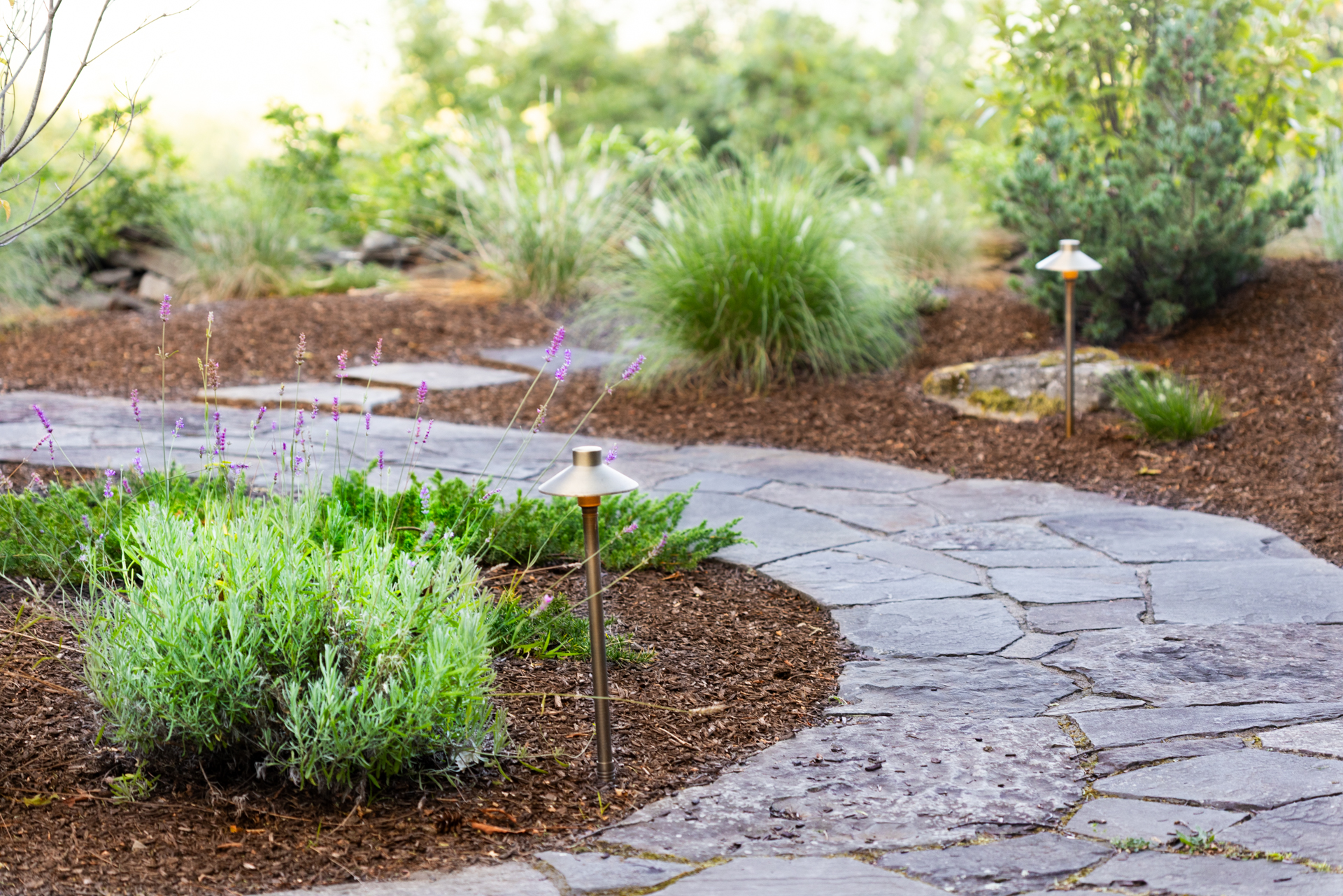
The Magic of Mulch: Why Your Garden's Best Friend Deserves More Love
What's the Buzz About Mulch?
If you've ever walked through a well-maintained garden and noticed that gorgeous dark layer around the plants, you've seen mulch in action. But here's the thing—mulch isn't just there to look pretty (though it absolutely does). It's one of the hardest-working materials in your entire landscape, quietly doing heavy lifting while you enjoy your outdoor space.
Moisture Magic: Say Goodbye to Daily Watering
Think of mulch as a moisture blanket for your soil. By creating a protective layer on top, mulch dramatically reduces water evaporation—meaning your plants stay hydrated longer, and you get to water less often. That's not just good for your plants; it's good for your water bill and the environment. During hot summer months, this benefit alone is worth its weight in gold.
Weed Control Without the Drama
Mulch acts as a physical barrier that makes it nearly impossible for weeds to push through to sunlight. Fewer weeds means less time on your hands and knees pulling them out on a Saturday morning. That's time you can spend actually enjoying your garden instead of battling it. Win-win.
Soil Health Upgrade
As organic mulch breaks down over time, it enriches your soil with nutrients and improves its structure. This creates a healthier environment for plant roots, leading to stronger, more vibrant growth. It's like giving your garden a daily vitamin supplement without the price tag of expensive fertilizers.
Temperature Regulation (Your Plants' Secret Comfort Zone)
Mulch insulates soil, keeping it cooler in summer and warmer in winter. This stable temperature environment reduces stress on plant roots and helps them thrive year-round. Plants are like Goldilocks—they want things just right, and mulch helps you deliver exactly that.
Choosing the Right Mulch for Your Space
Not all mulch is created equal. Hardwood mulch breaks down slowly and is great for long-term coverage. Pine bark mulch is lighter and works well in areas with excellent drainage. Shredded leaves offer budget-friendly nutrient boost. The best choice depends on your climate, plant types, and how much maintenance you want to do. When in doubt, ask your local landscaper—they know what thrives in your region.
How Much Do You Need?
A general rule: aim for 2-4 inches of mulch around your plants and garden beds (but keep it a few inches away from tree trunks to prevent rot). More doesn't equal better—too much mulch can suffocate roots and create pest problems. The sweet spot is a generous layer that still breathes.
Ready to Mulch?
Whether you're refreshing existing beds or starting a new landscape project, mulch is one of the smartest investments you can make. It saves time, saves money, and creates a healthier garden—all while looking great. That's not magic. That's just smart landscaping.